


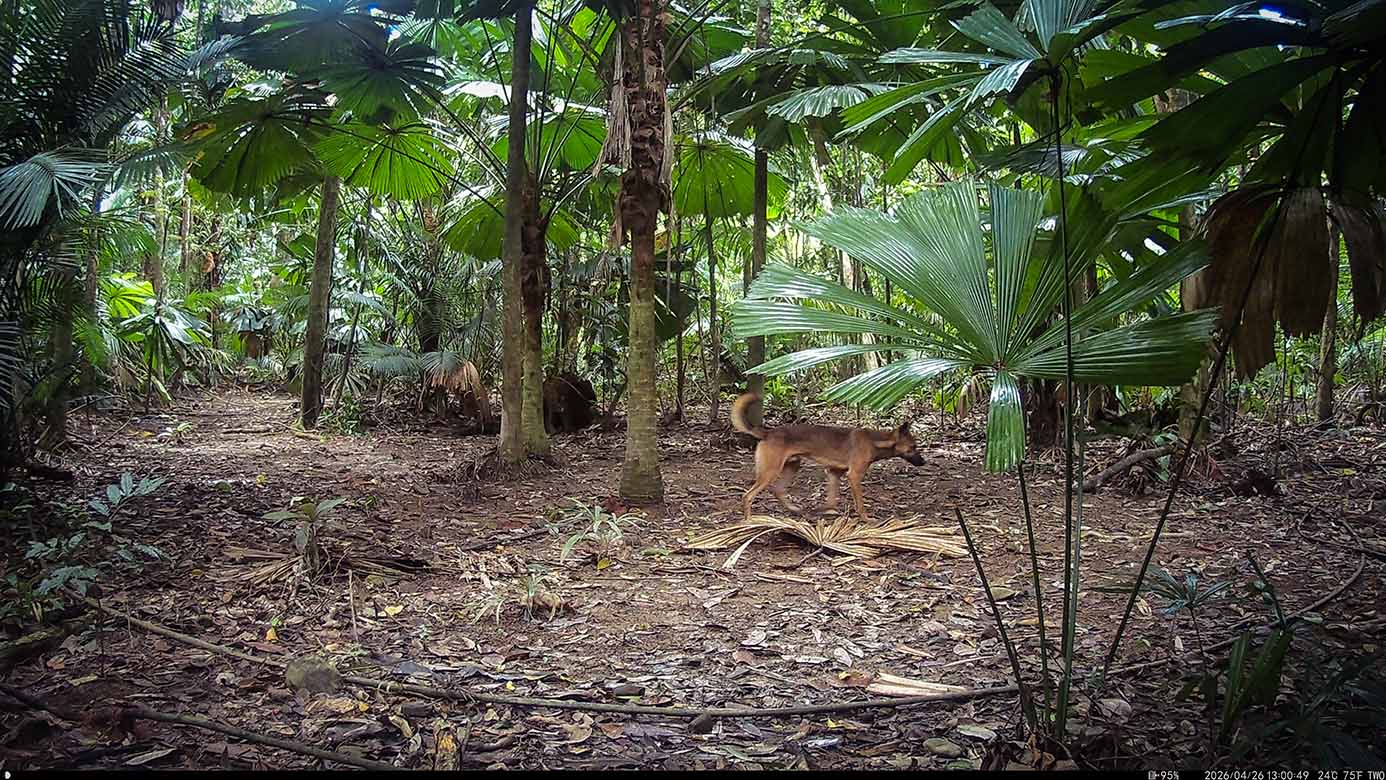
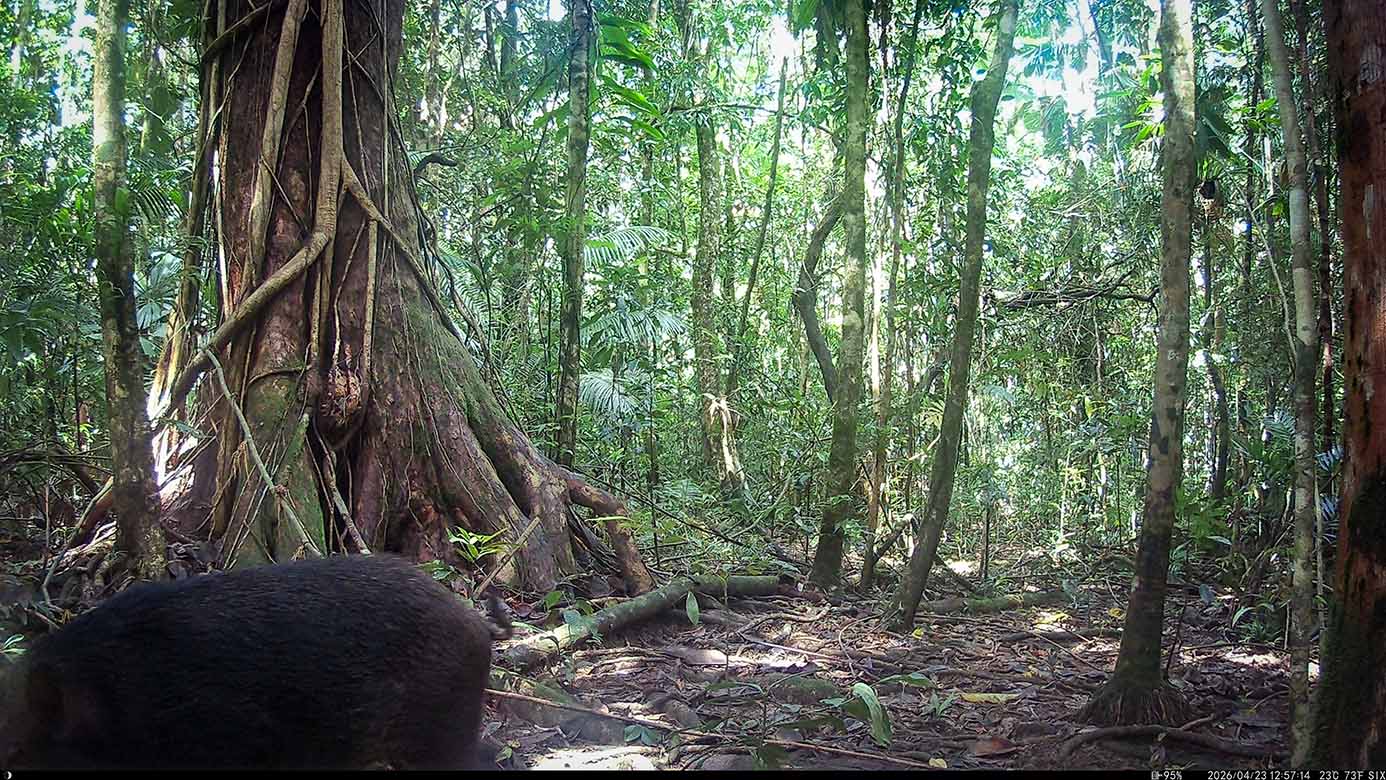
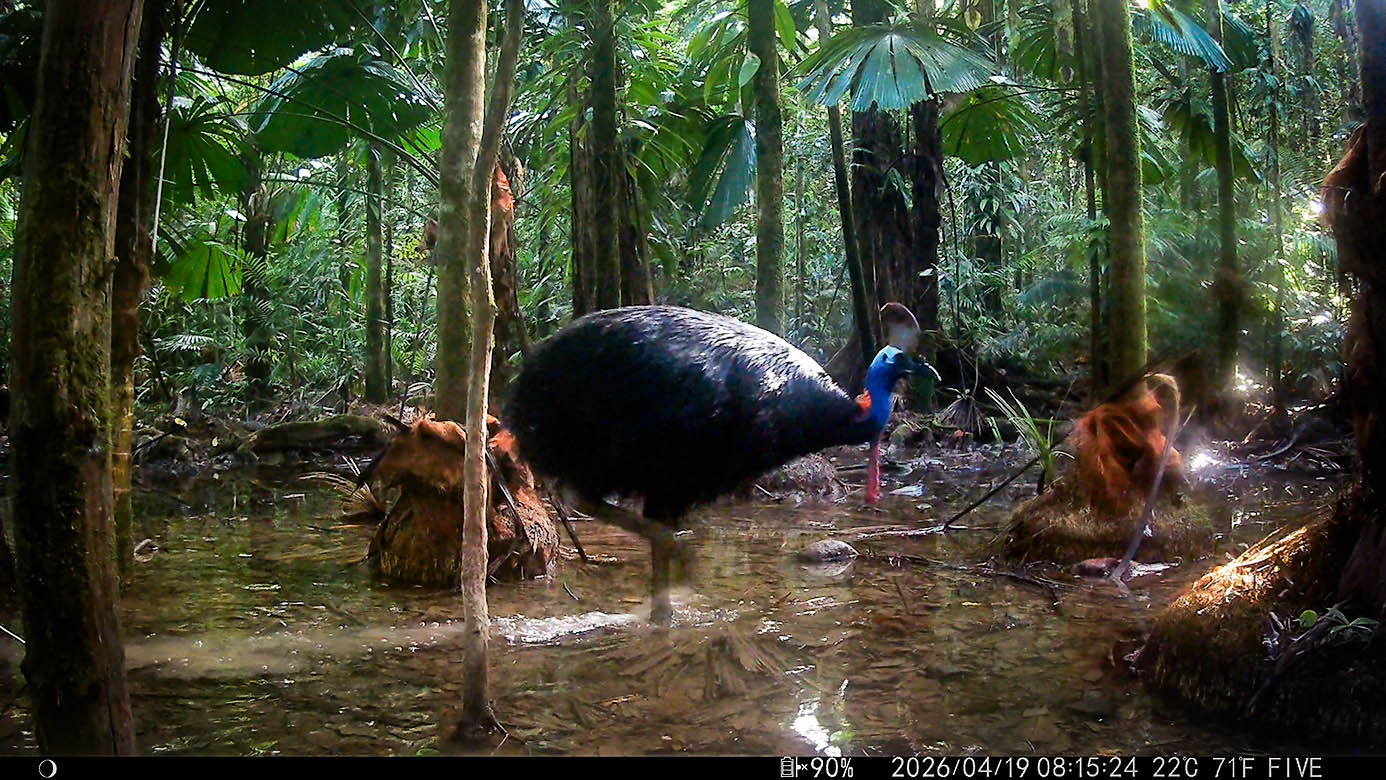
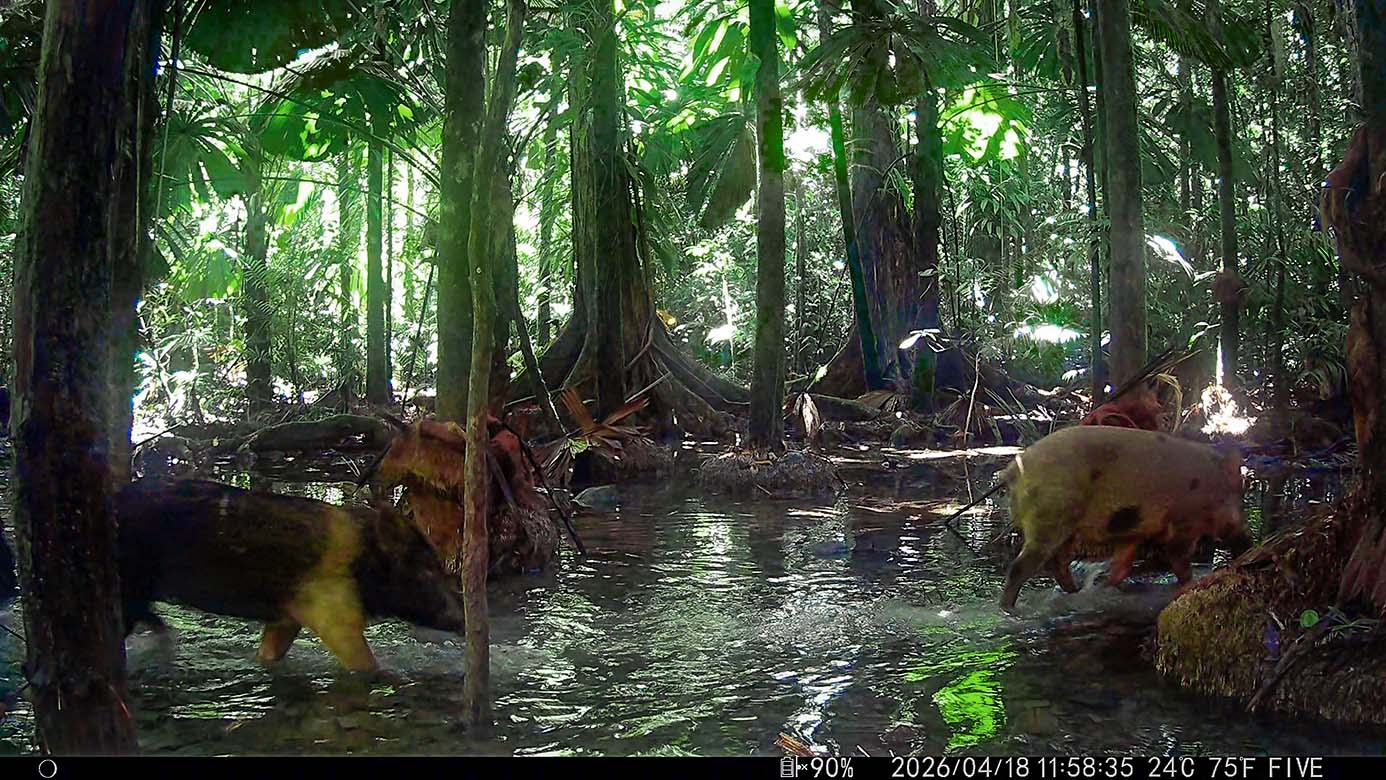
Camera Traps – April 2026 accrued 37-cassowary sightings, 18-dingoes and 69-feral pigs. Against the cumulative monthly average, both cassowary and feral-pigs numbers fell by 64%, whilst dingoes decreased by 56% and against April 2025, both cassowary and feral-pig numbers plummeted by 88% and dingoes diminished by 64%.
Image highlights from April 2026
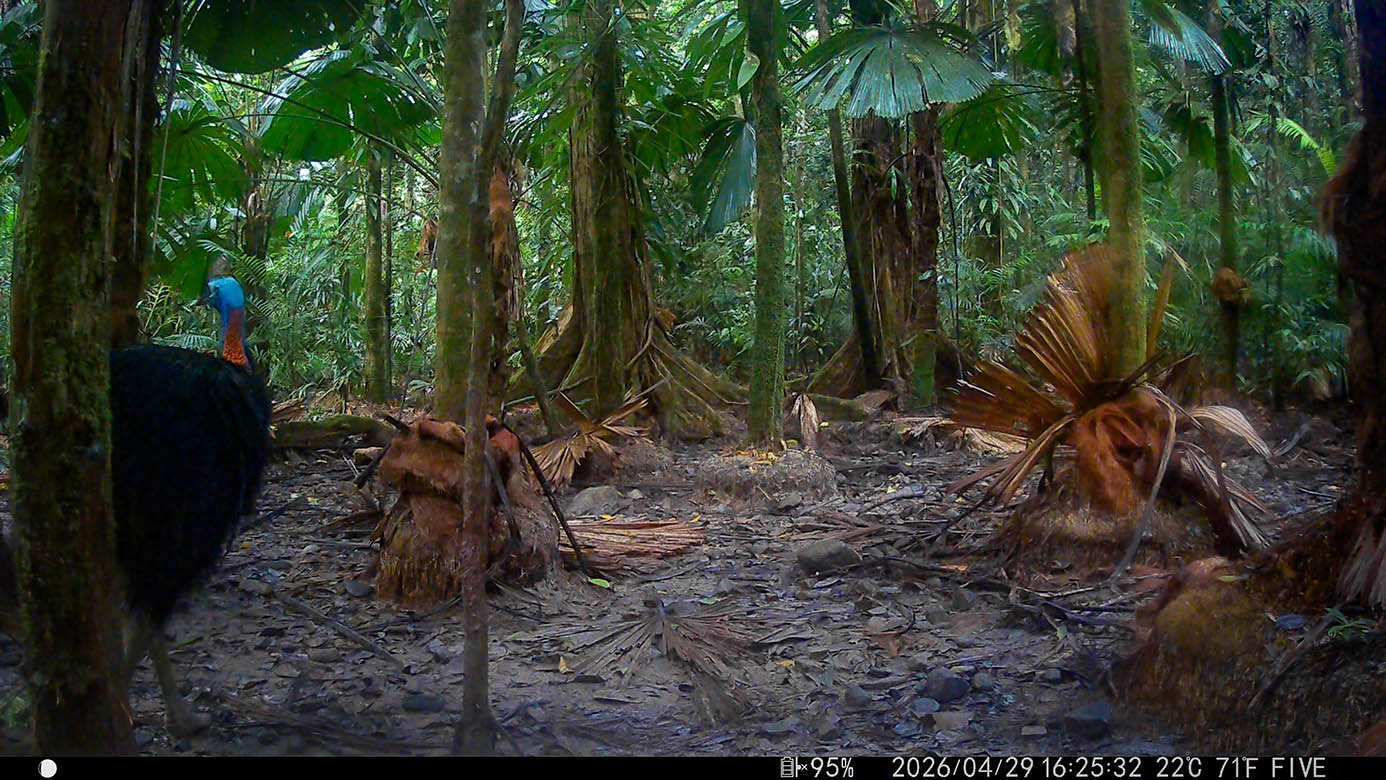
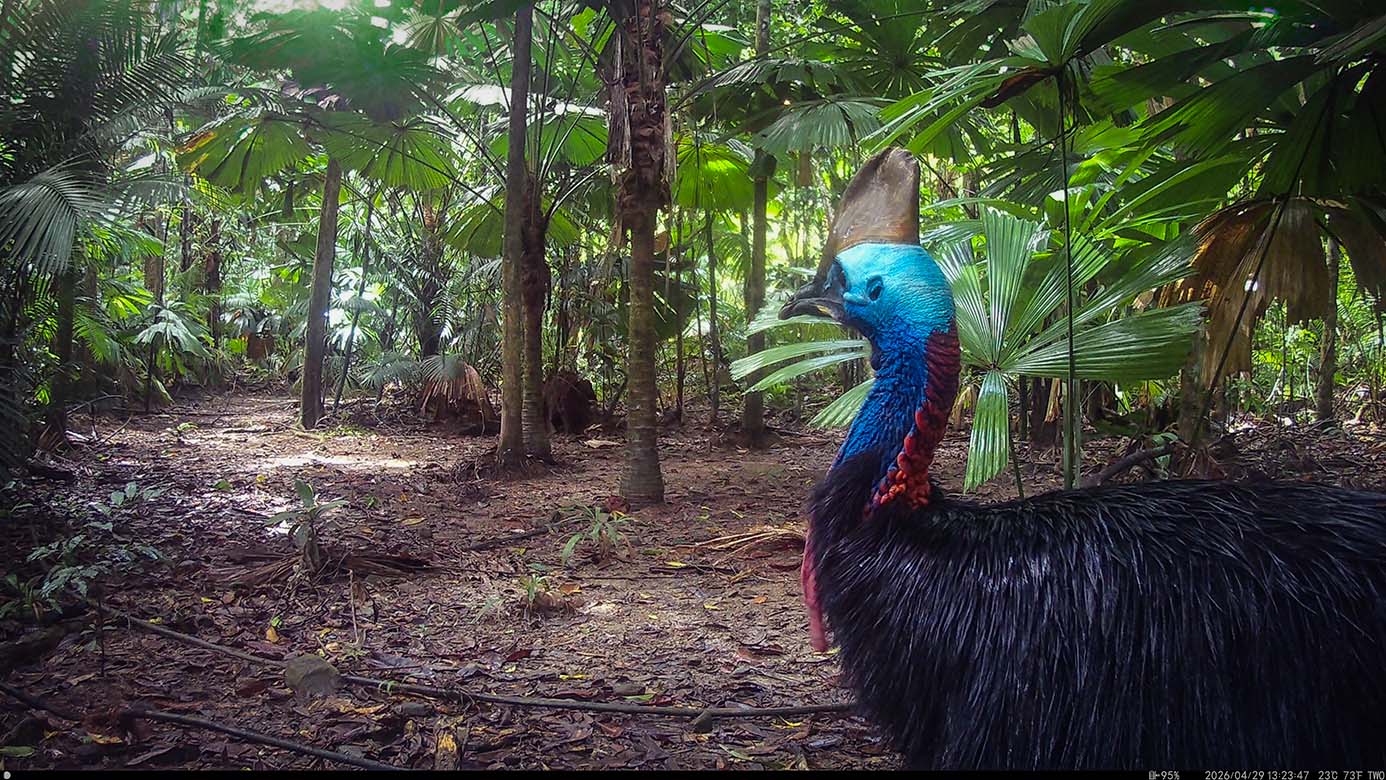
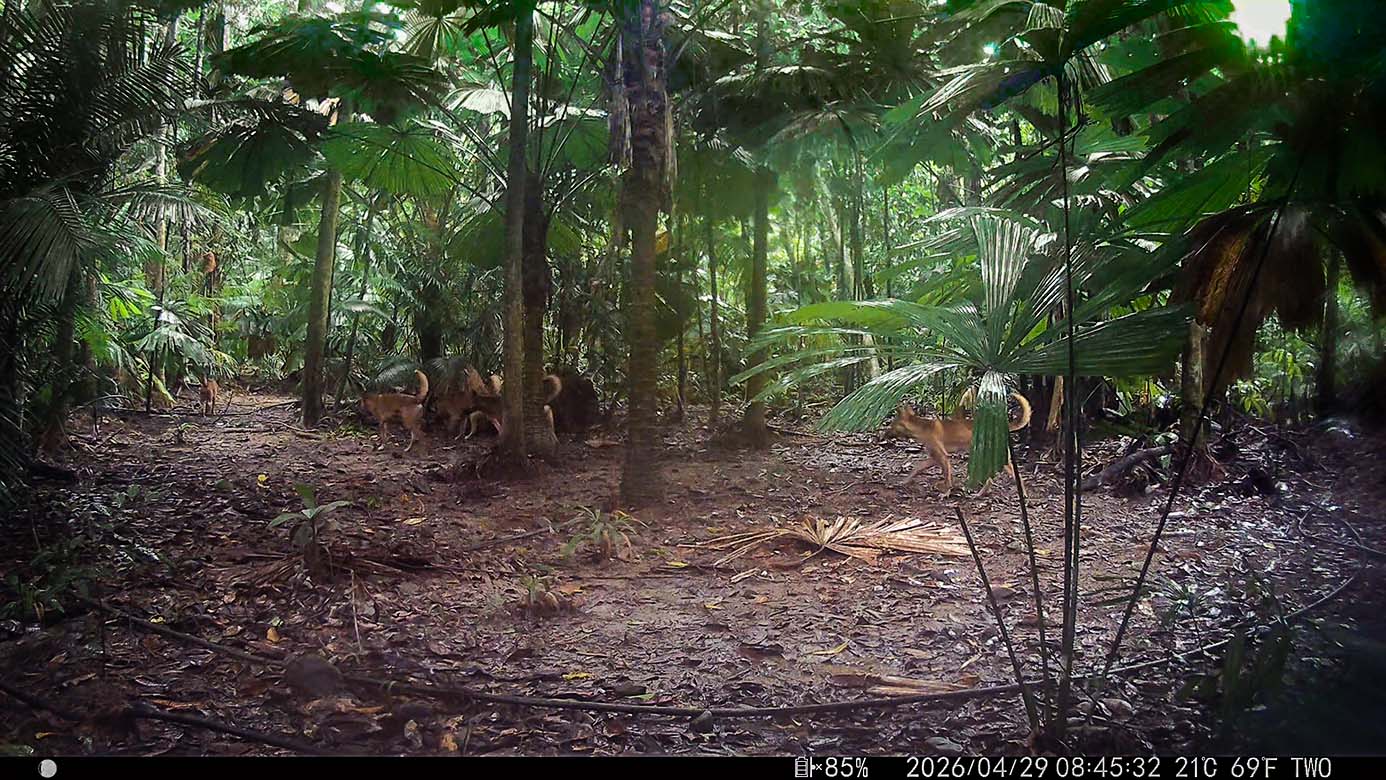
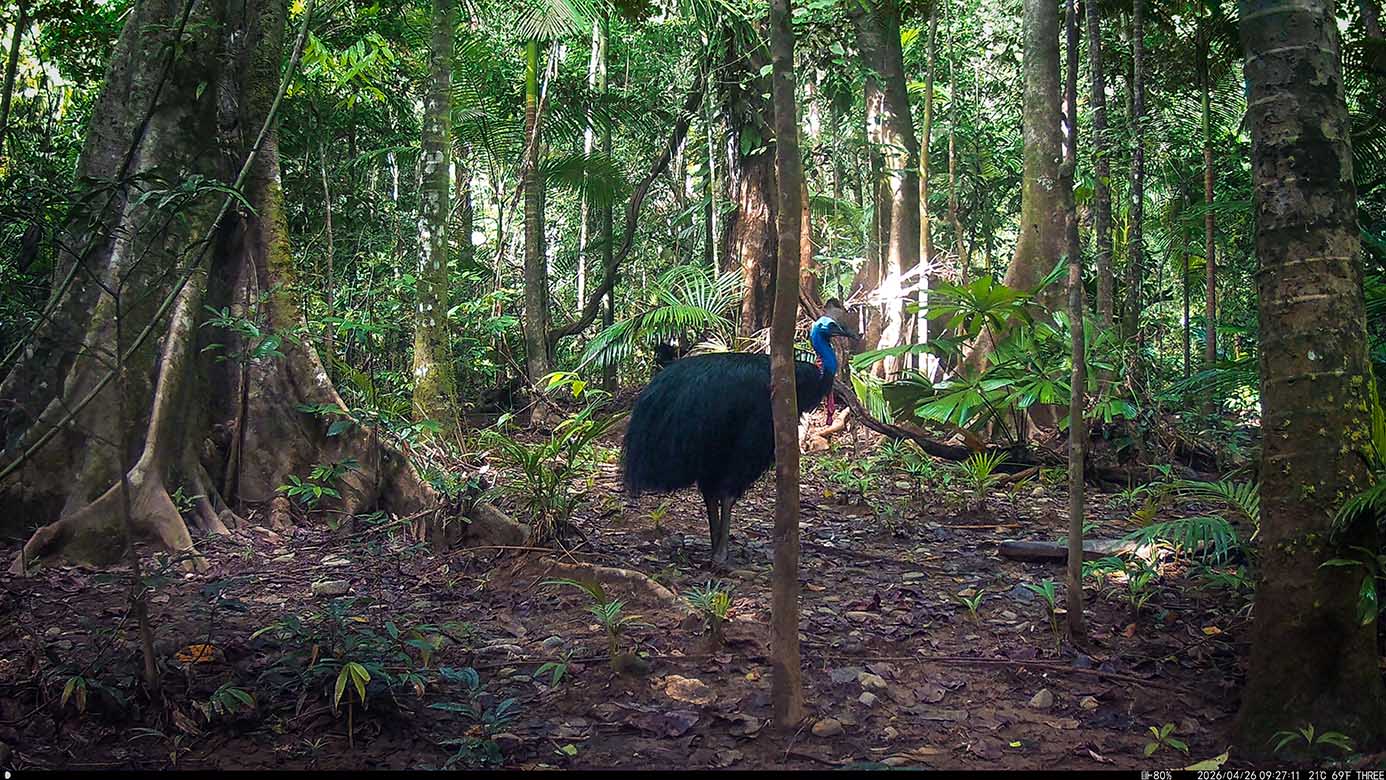
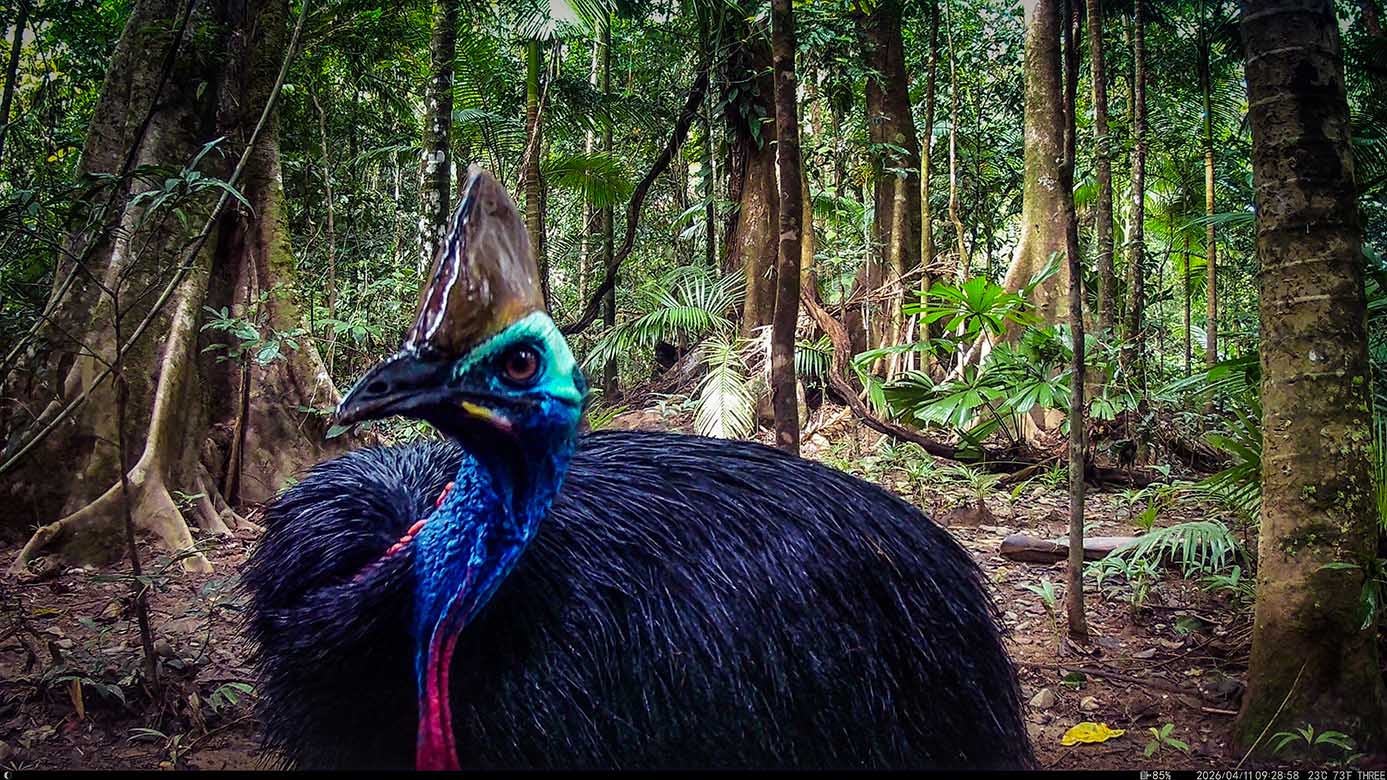
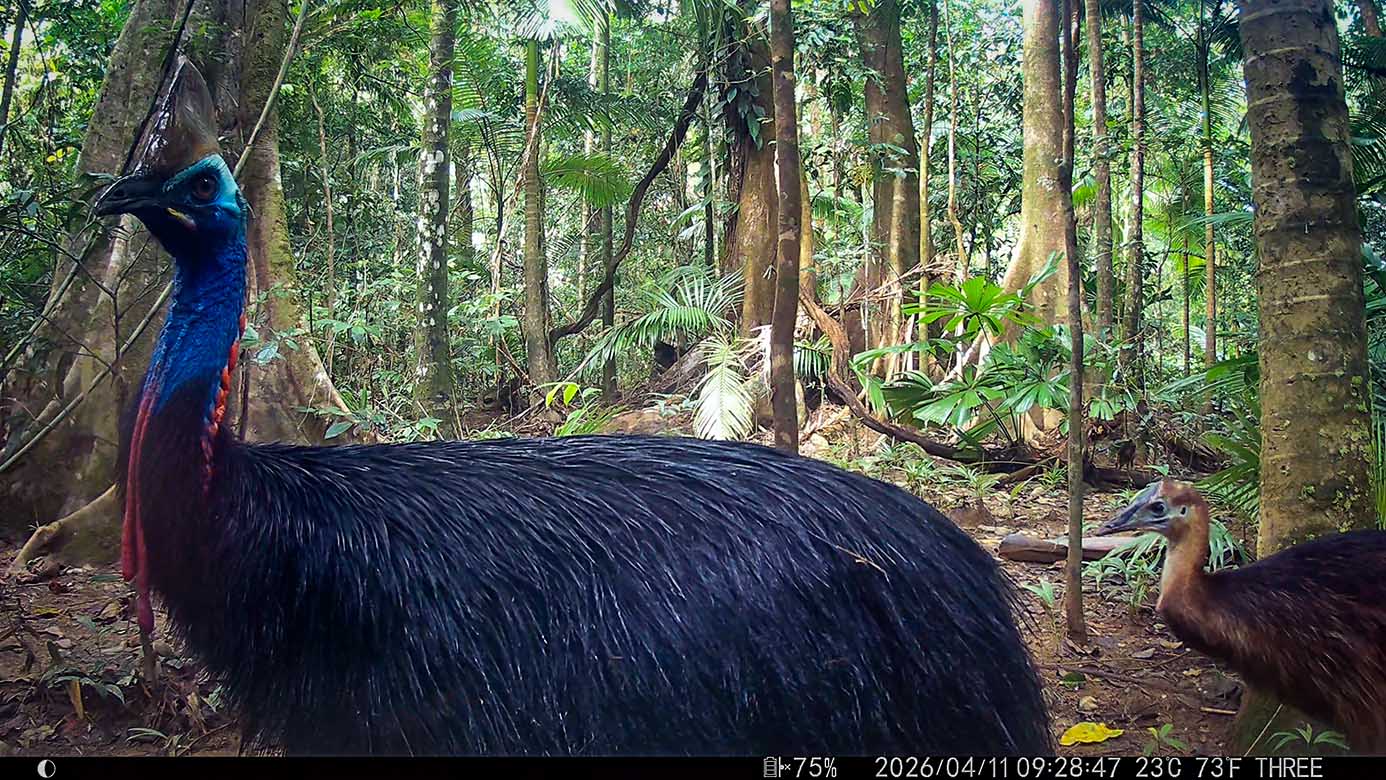
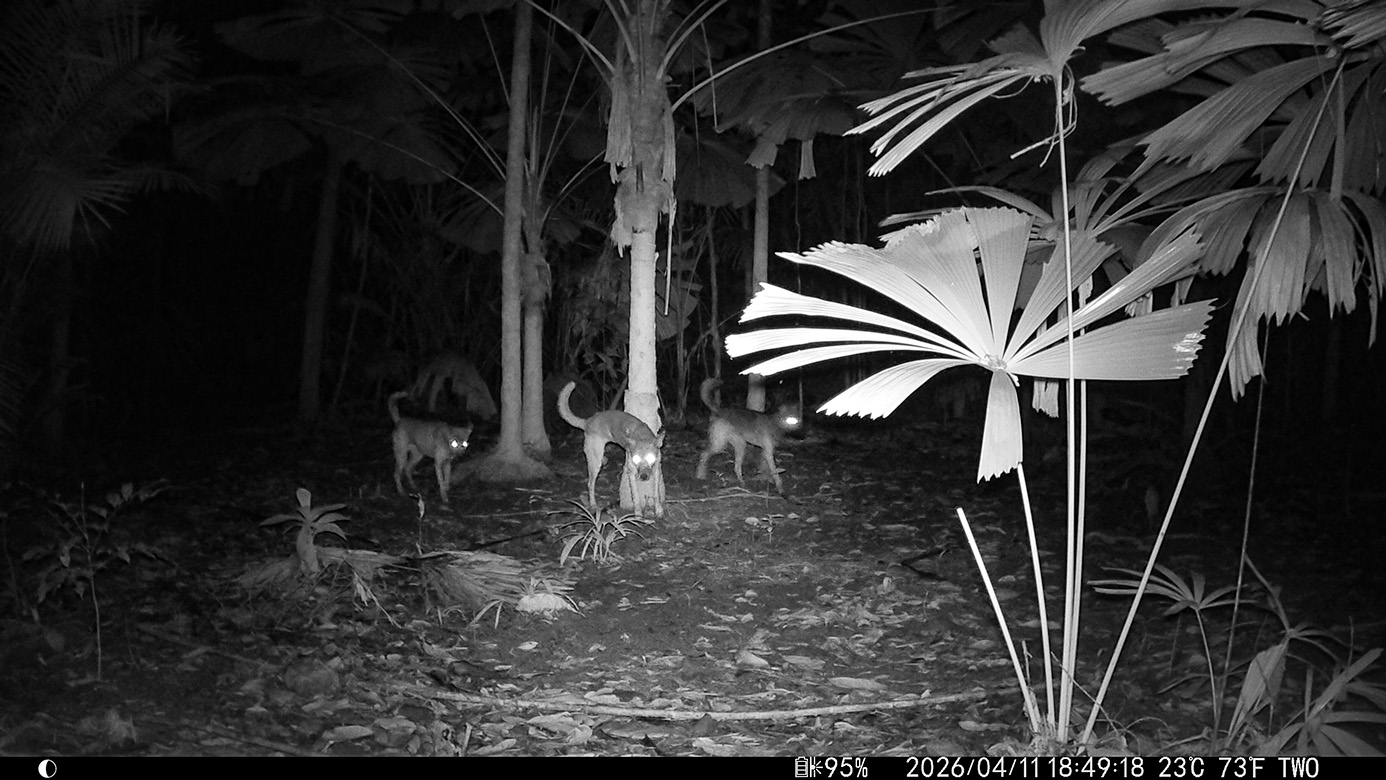
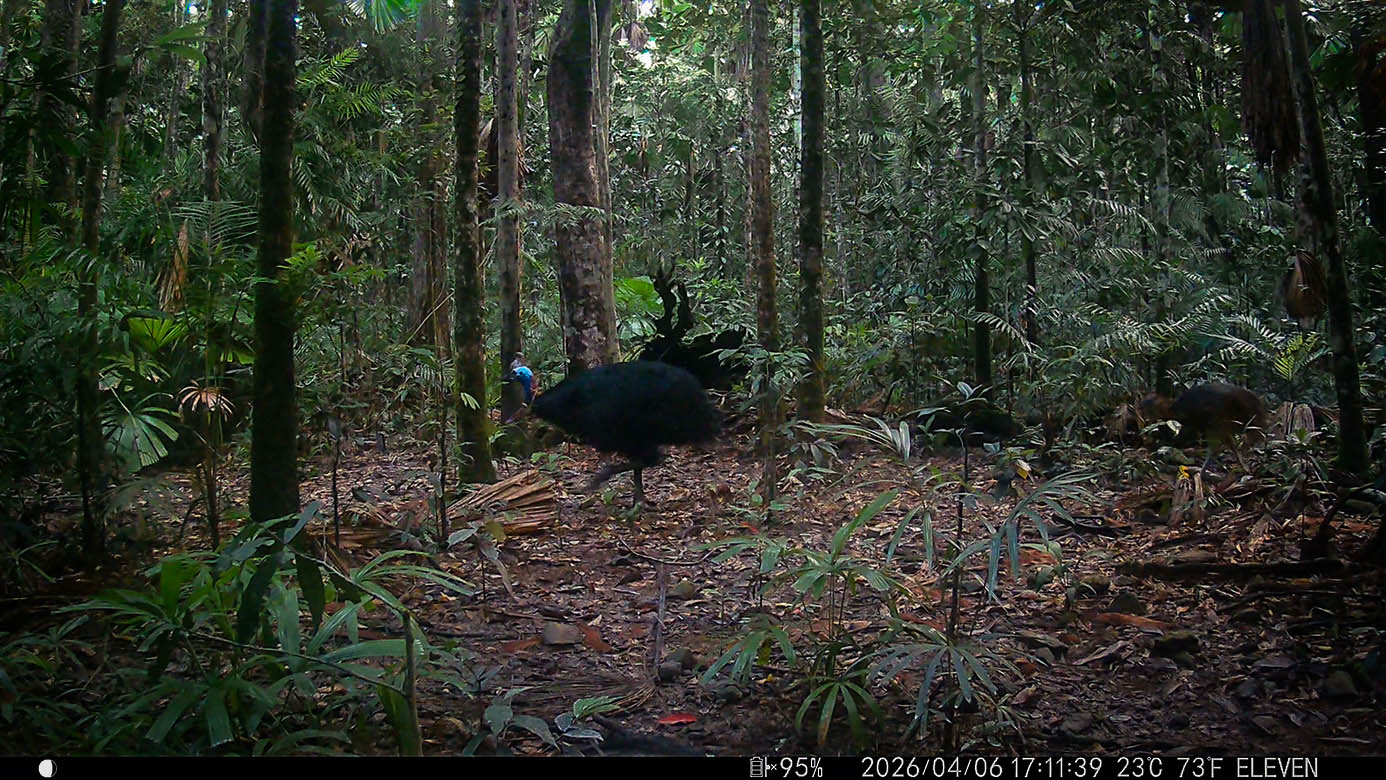
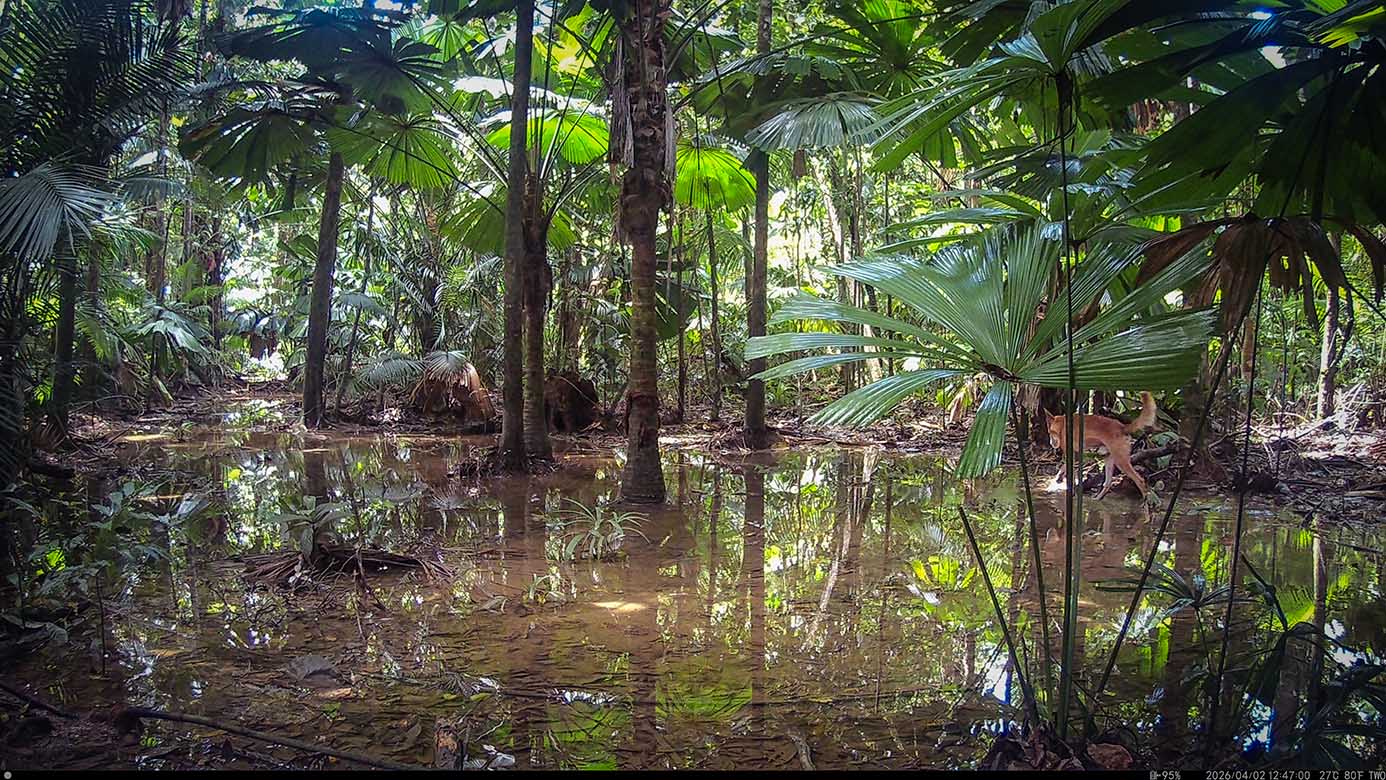
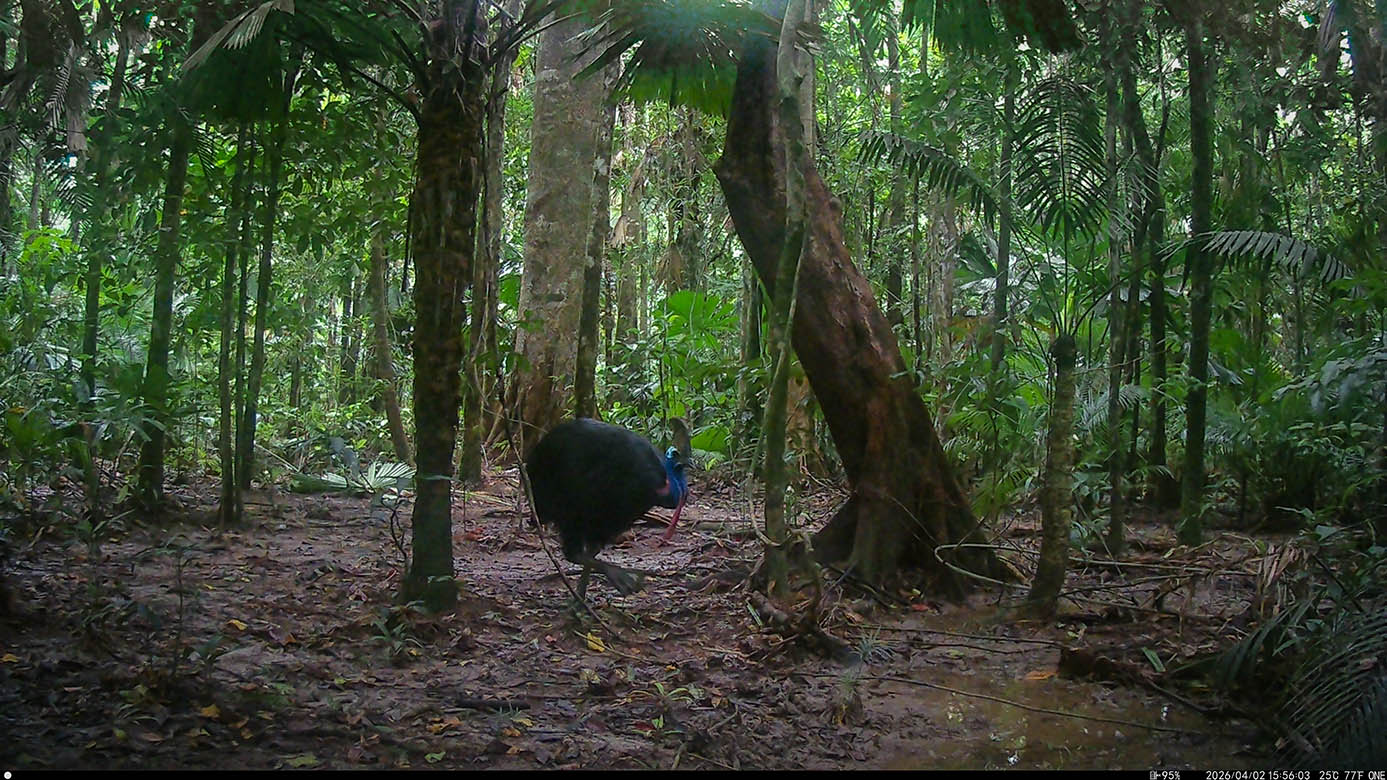
Keeping up with the Cassowaries …
Luna
Crinkle-Cut & Wobbly
Ed, who is looking suspiciously like Edwina
Three dingoes
Ferry-fees to increase (yet again) on 1st July 2026 by 11.8%
Assured that the annual increase was mostly 3.9% and without environmental implication, Douglas Shire (Council) unanimously adopted the 2026-27 Schedule of Fees and Charges and in doing so, increased a conventional vehicle’s ferry-fee by 11.8%, just days before a local news service reported: Thieves raid Daintree fruit stall.
This ferry-fee increase was the latest in a long run of increases. Since 2000, Council has successively increased ferry-fees by 307%, under assurance that there are no associated environmental implications, despite the established concept of ecotourism holding otherwise. According to Council’s Daintree River Crossing Options Assessment Report (25/08/2020) the Daintree Ferry generated revenue for Council netting an estimated $1.15-million annually.
If travelers are willing to pay $57 per two-way crossing to access this world-renowned environmental attraction and numbers do not diminish because of the increased ferry-fee, Council’s net-revenue from ticket overcharging would increase to $2.11-million per annum, almost certainly commandeering the bulk of the consumer surplus from which north-of-the-Daintree-River’s residential and business communities are otherwise dependent.
Hypothetically, a motion is put before Council to authorise vehicular entry into Port Douglas and for consistency, $57 is set for each two-way-pass. With an estimated 100,000 visitor-vehicles entering Port Douglas per year, would Councillors imagine that this number will remain the same with such an impost and that passengers would be as willing to pay for food, beverage, accommodation and tours, from a township perceived as mercenary? How would the business community and residents react to such an aggressive and uninvited extracture? Counter-arguments challenging the legality of the fee for dishonestly exceeding the costs of providing a service or restricting competition within the attraction, could be countered by borrowing against the $5.7-million per annum to build a channel across the access road to span with a ferry and then adding incorporated costs into a Port Douglas Gateway Masterplan.
However ludicrous, have any Councillors questioned whether this identical impost on the people and communities north of the Daintree River has had any adverse impact upon visitor-willingness to cross the ferry and contribute towards the protection of the world-renowned Daintree Rainforest environment and its custodial communities?
Perhaps some senior staff stalwart may recall a previous Council resolution in 1997, allocating some $35,000 for CSIRO to investigate these matters and determine as expertly as possible the quantity and quality of visitor-willingness to contribute to Daintree Rainforest conservation as a function of ferry-fee variation. CSIRO verified in 1999, that 15% of travellers had already shown their unwillingness to pay $7 for a one-way-crossing, but upon expert extrapolation, projected that increasing ferry-fees to $10 per-crossing would generate more income for Council’s environmental and tourism management of the attraction, whilst deterring another 15% from visiting. The inverse-relationship between increasing ferry-fees and visitor willingness to pay for the ferry-service and support ecotourism in the rainforest area north of the Daintree River, was verified.

The DFS recommended that the ferry collect revenue from tourists for use in conservation management and tourism service provision north of the river. According to the Australian Bureau of Statistics, $100 in 1999 is equivalent to roughly $200 in 2026, whereas net-revenue from the ferry has risen from $725,000 in 1999 to an estimated $2,110,000 in 2026, some $660,000 higher than CPI, but none of it is spent on conservation management or tourism service provision within the attraction.
Every now and then, Council concedes that the ferry-fee constitutes a trade impediment, such as when it waived Daintree Ferry charges for buses for the period 1st August 2020 to 30th September 2020 and also when it rebated the same market segment 50% for the period 1st October 2020 to 31st December 2020, to aid economic recovery post-COVID. Likewise, the concession of the Douglas Card — a seasonal initiative offering Far North Queenslanders unlimited free travel on the Daintree Ferry, between 1st November through to the last day on February inclusively, which was recently extended to include 1st May to 30th June 2026, to purportedly support Daintree tourism recovery.
Whilst decreasing the ferry impost implicitly admits an increased accessibility to the communities north of the Daintree River, Council knowingly asserts the opposite, when increasing the cost of ferry-fees decreases accessibility. A $2.11-million over-charge describes a ferry-fee impediment that is a veritable mountain of obstruction and far more insurmountable than the newsworthy molehill of theft of fruit from a stall.
Daintree Rainforest Foundation Ltd has been registered by the Australian Charities and Not-for-profits Commission and successfully entered onto the Register of Environmental Organisations. Donations made to the Daintree Rainforest Fund support the Daintree Rainforest community custodianship and are eligible for a tax deduction under the Income Tax Assessment Act 1997.